
You’re standing in your kitchen, determined to make a healthy meal, but the thought of boiled chicken and bland broccoli makes your taste buds protest. If you want vibrant dishes that know their way around flavor and nourishment, the Mediterranean diet is calling you. It’s a refreshingly colorful, delicious way of eating that doesn’t just support your well-being, but also celebrates food in all its variety.
The Mediterranean diet isn’t a “diet” in the strict, calorie-counting sense. Instead, it’s a long-standing way of eating based on the traditional foods enjoyed by people living in countries bordering the Mediterranean Sea, like Greece, Italy, and Spain, and is also widely appreciated across the UAE for its balanced and wholesome approach. It's about abundance, not restriction. Vegetables, fresh fruit, hearty whole grains, nourishing fats, and lean proteins are its cornerstones.
At its heart, the Mediterranean diet is as much about culture and connection as it is about food. Picture long, leisurely meals with loved ones, dishes brimming with olive oil, herbs, grains, and fish, and the joy of savoring every bite. It’s no wonder this way of eating has become one of the most respected and recommended dietary patterns in the world.
Key Components of the Mediterranean Diet

Fruits and Vegetables
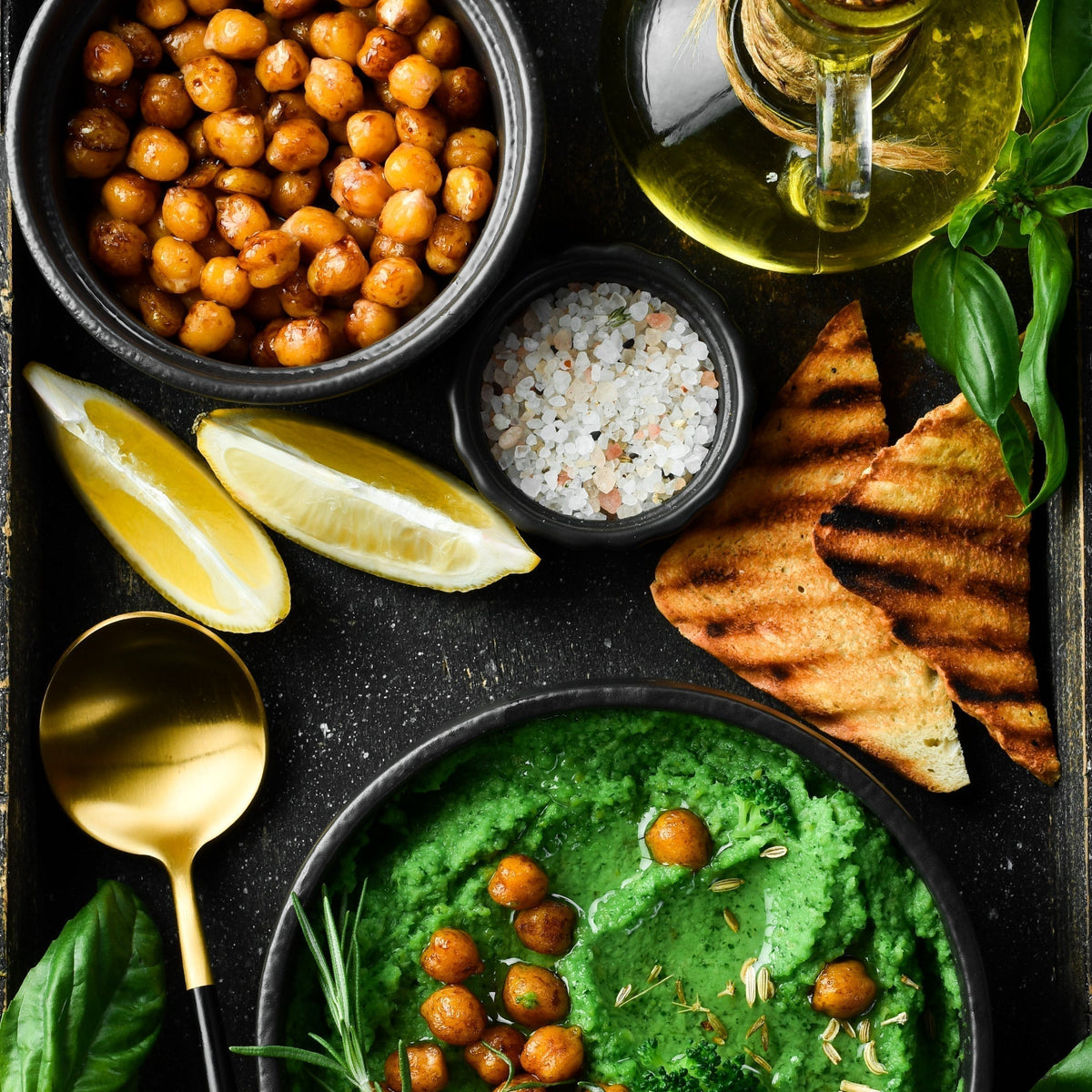
The base of every Mediterranean meal is plant-focused. Think leafy greens like spinach and kale, juicy tomatoes, roasted eggplant, crisp cucumbers, colorful bell peppers, and tender zucchini. Fruits, especially berries, citrus, figs, and grapes, are frequently enjoyed as snacks or light desserts. These foods are loaded with fiber, vitamins, and antioxidants that support cellular health and may reduce the risk of chronic diseases.
Whole Grains
Whole grains provide sustained energy and are a key part of daily meals. Staples include farro, barley, bulgur, brown rice, quinoa, whole-grain bread, and oats. These grains are fiber-rich, keeping you fuller for longer and supporting digestive health.
Healthy Fats
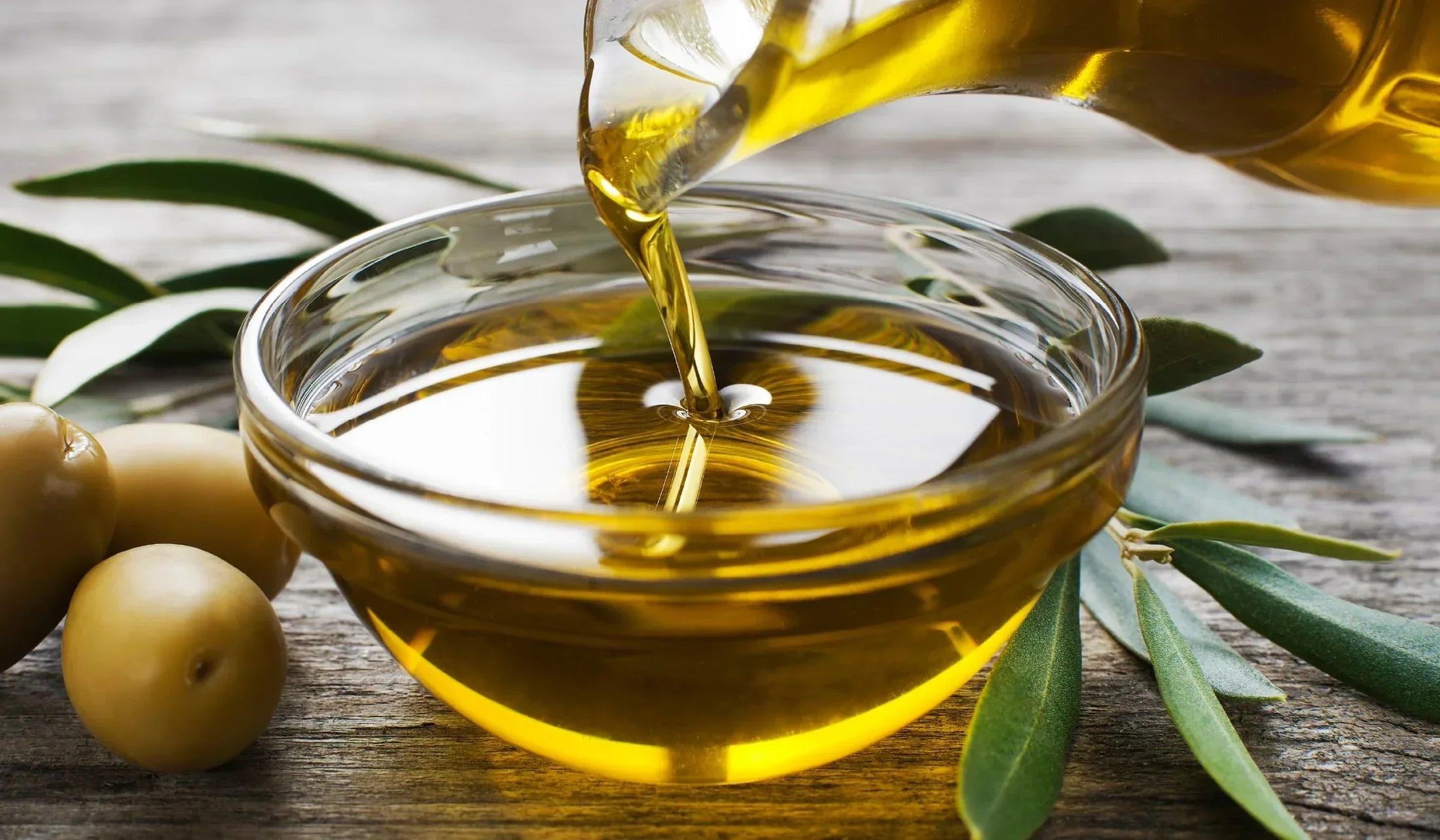
Instead of saturated or trans fats, the Mediterranean diet embraces heart-supporting fats, especially from extra-virgin olive oil. Nuts like almonds and walnuts, seeds such as chia and flax, creamy avocado, and olives are all integral sources of healthy fats.
Proteins
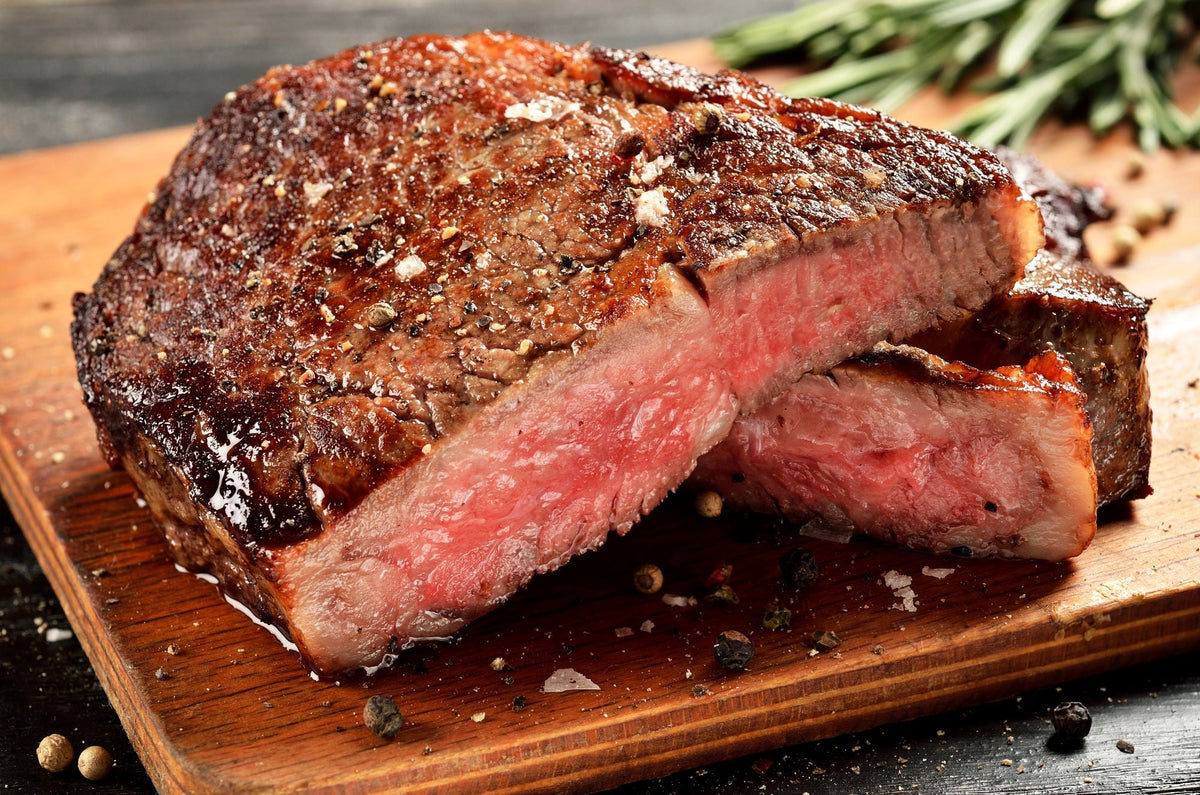
Protein in the Mediterranean diet is often plant-based or comes from the sea. Lentils, chickpeas, tofu, lean chicken, and eggs form the foundation, while fish, such as salmon and tuna, make regular appearances. Red meat is eaten sparingly, if at all, aligning well with balanced eating habits commonly followed in the UAE.
Dairy
Dairy is consumed in moderation, mostly in the form of plain Greek yogurt, feta, labneh, ricotta, kefir, and mozzarella. These provide calcium and probiotics without the excess sugars often found in processed dairy products.
Mediterranean Diet Benefits

Heart Health
The Mediterranean diet is widely recognized for its potential cardiovascular benefits. A study published in Circulation Research found that adherence to the diet is associated with a reduction in heart disease risk factors such as high blood pressure and cholesterol levels.
One of the key contributors is olive oil, which is high in monounsaturated fats and antioxidants. Combined with fish rich in omega-3 fatty acids, whole grains, and plenty of fiber, this eating pattern may support heart health over time.
Weight Management
Though the Mediterranean diet isn’t designed as a weight-loss plan, it often naturally supports healthy weight management. Because it focuses on whole foods, balanced meals, and satiety-promoting ingredients like fiber and healthy fats, many people find it easier to maintain a healthy weight without strict calorie tracking.
A recent study in JAMA Network Open found that long-term adherence to the Mediterranean diet was associated with lower BMI and a healthier lifestyle.
Longevity
There is a reason people in Mediterranean regions have been noted for their longevity. The diet’s high antioxidant and anti-inflammatory food content is linked to reduced risk of age-related illnesses. A review published in Nutrients highlighted the potential of this diet to support healthy aging and longer life expectancy.
Reduced Inflammation
Chronic inflammation has been linked to a wide range of health conditions, from arthritis to cardiovascular disease. A 2019 article in Frontiers in Nutrition found that the Mediterranean diet may help reduce markers of inflammation in the body thanks to its high intake of anti-inflammatory foods like olive oil, fruits, vegetables, and omega-3-rich fish.
Mediterranean Diet Recipes to Try
Ready to try some of those vibrant flavors we’ve talked about? These recipes are perfect for family meals, cozy date nights, and dinner parties. Plus, they can all be made with countertop air fryers, making cleanup a breeze.
- Greek One Pan Roasted Chicken With Veggies: Featuring protein, fiber, and essential nutrients, this dish comes together in under an hour and is packed with flavour.
- Roasted Stuffed Eggplants: A vegetarian-friendly dish with roasted eggplants, tomatoes, and feta. Great for meal prep or a quick dinner.
- Lemony Chicken Bulgur Bowl: A simple and healthy meal prep option that is perfect for busy schedules.
- Layered Mediterranean Dip: A refreshing and flavourful dip, ideal for gatherings or snacks, served with pita and fresh vegetables.
- Roasted Broccoli Tahini Soup: A warm and comforting dish packed with nutrients, ideal for preparing ahead and reheating.
If you enjoy cooking with a focus on what, how, and why, explore more recipes crafted by professional chefs and reviewed by nutrition experts for balanced, flavourful meals.
Embrace the Mediterranean Lifestyle
The Mediterranean diet is more than a trend. It’s a celebration of simple, flavourful foods and a lifestyle that prioritises well-being, balance, and enjoyment. Whether you’re fully adopting it or just adding a few Mediterranean-inspired meals into your weekly routine, it’s a meaningful step toward healthier living.
Remember, you don’t need to be perfect. Even small changes, like swapping butter for olive oil or adding more fresh vegetables to your meals, can make a positive difference.
So go ahead: drizzle some olive oil, toss a fresh salad, invite friends or family to share a meal, and enjoy the Mediterranean way of eating.