
Cooking steak can be challenging. Despite following cooking times and monitoring the grill or oven, you can still end up with a steak that’s too rare or too tough for your liking.
Cooking the perfect steak is more than just a culinary skill; it’s an art that beautifully comes together when you have the right cut of meat, precise cooking techniques, and an understanding of temperature.
Whether you’re a seasoned grill master or just starting your steak-cooking journey, mastering the balance between flavour, texture, and doneness can elevate your dining experience to new heights.
Choosing and cooking the perfect steak is not a one-size-fits-all process. Every cut has unique flavour profiles, and every temperature provides a different intensity of tenderness and flavour. In this guide, we’ll walk you through everything you need to know to achieve steak perfection, from choosing the ideal cut to understanding the subtle differences between doneness levels.
So, preheat your grill or pan and let’s get cooking.
Choosing the Right Steak

The journey to the perfect steak begins with selecting the right cut.
- Ribeye: Known for its intense flavour and marbling, the high fat content of this cut makes it one of the most forgiving, even when cooked through. The marbling infuses flavour into every bite.
- New York Strip: A leaner cut with less marbling, offering a firmer texture. Ideal for those who prefer a less fatty bite.
- Filet Mignon: One of the most tender cuts, taken from the tenderloin. It delivers a delicate, buttery texture and refined flavour.
- T-Bone: A combination of filet mignon and New York strip. It balances tenderness and bold flavour, making it a popular choice for gatherings.
- Sirloin: A lean and flavourful cut that is often more budget-friendly. Best cooked with precision, as it contains less marbling.
The Impact of Marbling on Steaks

What is marbling? Marbling refers to the intramuscular fat within the steak. This fat determines juiciness, tenderness, and overall flavour.
The white streaks throughout the meat melt during cooking, infusing the steak with moisture and flavour from within.
The more evenly distributed the red meat and white fat appear, the higher the marbling and the richer the taste. Cuts like ribeye are well-known for their marbling and flavour.
Finding the Perfect Steak Temperature
After selecting your steak cut and preferred marbling, the next step is identifying the right doneness level.
The way a steak is cooked significantly affects its final texture and flavour. Internal temperature can transform a cut from tender and juicy to firm and dry.
Using a smart meat thermometer can help remove guesswork by accurately tracking temperature and indicating when the steak should rest.
Food safety authorities recommend cooking whole cuts of meat to a minimum internal temperature of 63°C and allowing rest time before serving. Always cook and consume responsibly.
A Guide to Steak Cooking Temperatures
Rare
Cooked for the shortest period of time, rare steak is great for high quality cuts like filet mignon.
Internal Temperature: 49–52°C
Texture: Very soft and tender, with little resistance when cutting.
Flavour: Retains maximum natural juices for a rich and buttery taste.
Appearance: Light sear outside with a cool red centre.
Medium Rare
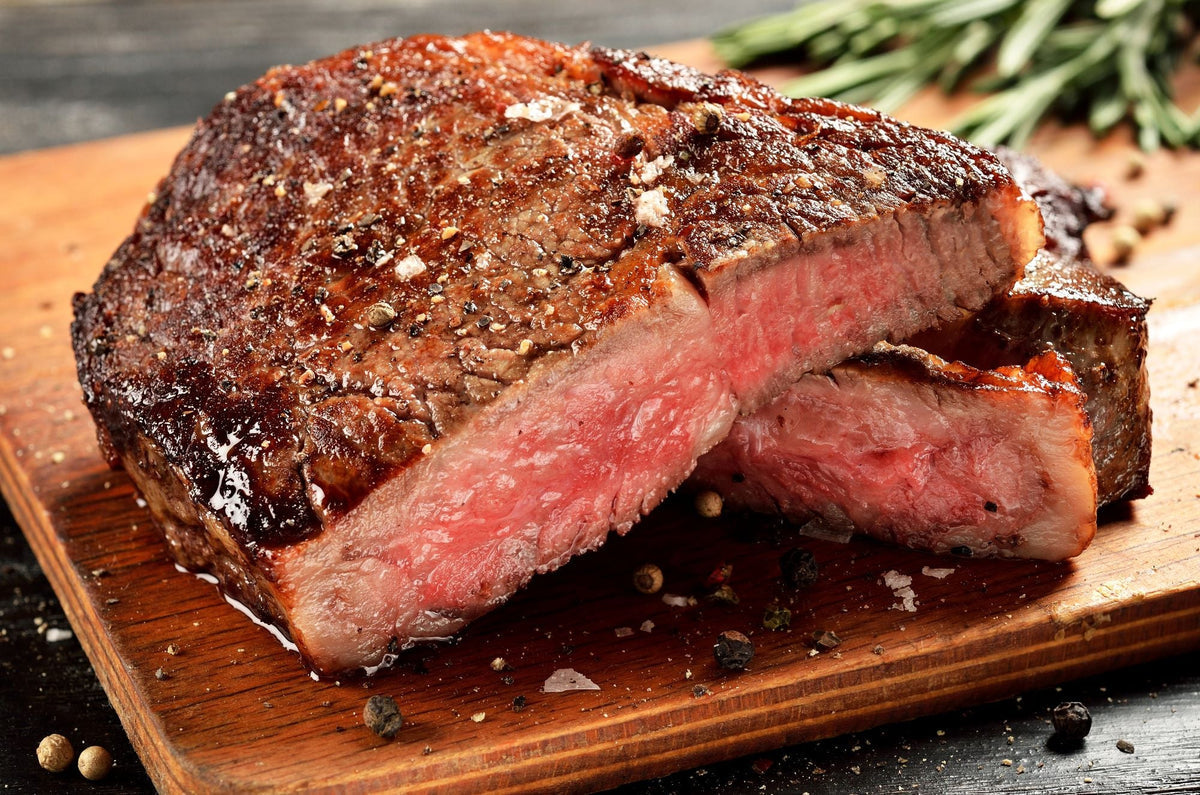
Just 10 degrees above rare, medium-rare steak is a classic favorite for those who enjoy juicy, tender steak with a seared exterior and no raw qualities.
Internal Temperature: 54–57°C
Texture: Tender with slight firmness, offering a balanced bite.
Flavour: Rich and juicy, with enhanced depth of flavour.
Appearance: Seared exterior with a warm red centre.
Medium
Steak cooked medium marks the transformation from a red to pink center and a more tough, firm chew due to being cooked almost completely through.
Internal Temperature: 60–63°C
Texture: Firmer with reduced juiciness.
Flavour: More developed flavour but less moisture.
Appearance: Browned exterior with a pink centre.
Well Done
The maximum doneness to cook your steak without burning it, well done provides the least flavor and toughest texture.
Internal Temperature: 71°C+
Texture: Firm and fully cooked with minimal moisture.
Flavour: Less complex due to reduced fat and juices.
Appearance: Dark exterior with no pink centre.
Pairing Ideas
Each cut of steak pairs well with different sides depending on doneness and flavour profile.
A baked potato with garlic butter pairs well with a medium-rare ribeye. Light roasted vegetables complement a rare filet mignon. A medium New York strip works well with fresh salads and seasonal vegetables.
Final Thoughts
Now you understand steak temperatures, flavour profiles, and cooking techniques. The final element is your own touch in the kitchen.
Start cooking with confidence and enjoy every bite.