Food plating is the art of arranging meals on a plate in a visually appealing way. While it is often seen in fine dining restaurants, plating is not limited to professional chefs.
In fact, anyone can learn the art of plating, transforming even a simple everyday meal into something special. Welcome to the world of food presentation, where the appearance of your meal is just as important as its taste.
Why Food Plating Matters?
Plating is not only about presentation, it is about creating a complete dining experience. The way food is arranged can influence the atmosphere of a meal and create memorable moments.
You might serve a simple bowl of pasta, but when it is carefully plated with fresh herbs, a drizzle of olive oil, and a sprinkle of Parmesan, it becomes far more inviting. This attention to detail reflects care and enhances the overall experience.
Whether it is a gathering with family or a meal shared with guests, thoughtful plating shows consideration and hospitality. The presentation reflects the effort and care put into preparing the dish.
How to Plate Food
There is no single correct way to plate a dish. However, understanding a few key principles can help turn a simple meal into an impressive presentation. A well-plated dish should feel balanced, intentional, and appetising.
1. Components of a Complete Plate

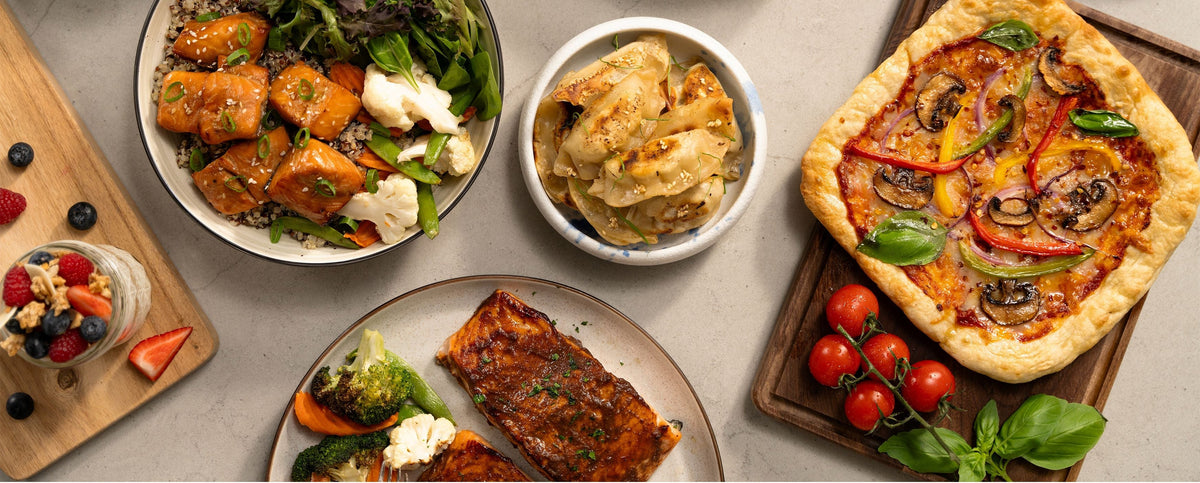
A complete plate typically includes a main focal point, side dishes, and garnishes.
The Focal Point
The focal point is usually the main component, such as meat, fish, or a vegetarian option. This element draws attention and anchors the plate. If the portion is large, consider slicing or arranging it neatly for a more refined presentation.
The Side Dishes
Side dishes complement the main component by adding contrast in flavour and texture. This could include roasted vegetables, fresh salads, or smooth purées. Arrange them thoughtfully to create balance and harmony on the plate.
Garnishes
Garnishes provide the finishing touch. Fresh herbs, a drizzle of sauce, or simple decorative elements can enhance visual appeal. Keep garnishes minimal and elegant to avoid overwhelming the dish.
2. Create Contrast and Visual Interest
Contrast is a key principle in food plating. Differences in colour, texture, and shape make a dish more visually engaging.
For example, creamy mashed potatoes pair beautifully with a rich sauce, while crispy toppings add texture to softer elements.
Use natural ingredient colours to your advantage. Fresh greens, roasted vegetables, and vibrant fruits help create a visually appealing plate. Seasonal ingredients can further enhance freshness and colour.
Texture is equally important. Combining smooth, crisp, and tender elements creates a more satisfying and dynamic dining experience.
3. Add Height to Your Plate
Height adds dimension and elegance to food presentation. Stacking or layering ingredients can make a dish look more refined and visually interesting.
For example, placing protein over a base or layering ingredients creates structure and depth.
Balance remains important. A taller element on one side can be complemented by smaller elements on the other to guide the eye naturally across the plate.

4. Sauce as an Artistic Element
Sauces enhance both flavour and presentation. Drizzling or placing sauce in a deliberate pattern can create a visually appealing design.
Consider adding a smooth line, a gentle swirl, or a small pool beside the dish. These details add movement and bring the plate together.
5. Dishware Matters
The choice of dishware plays an important role in presentation. White plates provide a clean background that highlights food colours, while darker plates can create contrast and a more dramatic look.
Experiment with different shapes and textures to find what best complements your dish.

The Joy of Plating
Food plating enhances the overall dining experience. It is a simple yet effective way to make meals feel more special and elevate everyday cooking.
With practice, plating becomes more intuitive. Each dish offers an opportunity to explore creativity, experiment with textures and colours, and refine your presentation skills.
Whether you are hosting guests or preparing a quiet meal, thoughtful presentation adds an extra layer of enjoyment, turning every meal into a memorable experience.